Milan Market Realities: A Race for Grade A Office Space
Milan is evolving. But not fast enough for demand.
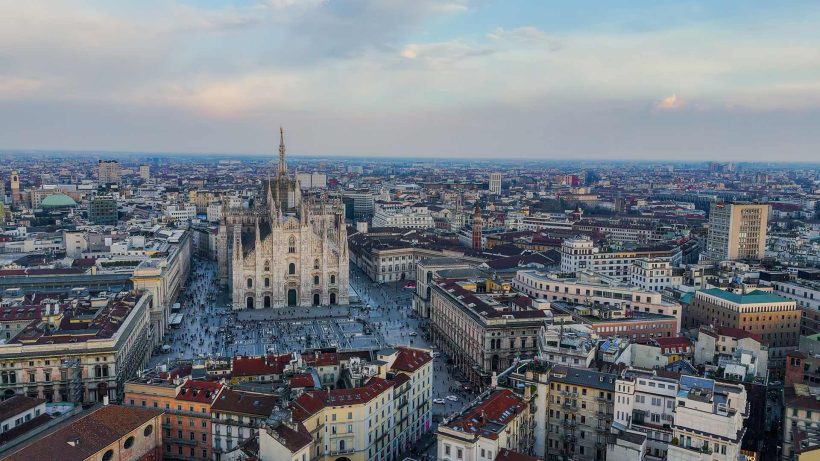
As global businesses continue to invest in Italy’s economic capital, competition for high-quality office space has intensified. New-generation developments such as Porta Nuova and Scalo Romana are rapidly absorbed, while the historic centre remains constrained by heritage regulations and limited availability.
Key Considerations for Success in Milan’s Office Market
Navigating the Milan office market requires more than securing the right address. From understanding local regulations and heritage constraints to managing landlord obligations, costs and program risks, success depends on making informed decisions early.
Having supported global organizations such as Moody’s Corporation and a leading tech company, from building selection through to first day of business, our local teams have seen first-hand what separates successful projects from costly setbacks.
Drawing on this experience, we’ve identified five key considerations for organizations looking to establish or expand their presence in Milan.
I. A Landlord-Driven Market
Prime office vacancy in Milan’s central business district is exceptionally low (around 3 %) reflecting strong demand from international finance, legal, and luxury brands. This creates a landlord-favored environment where speed, clarity, and strong positioning are essential. Decision-making cycles are often compressed, and aligning early with landlord expectations can significantly improve project timelines.
II. Complex Local Regulations
Milan’s regulatory landscape is layered, combining national frameworks with highly specific local planning rules. This is especially true in central and historic districts, where approvals can be intricate and time-sensitive. Early engagement with local consultants and authorities is not just beneficial, it’s essential to avoid delays and ensure compliance from the outset.
III. Working Within Historical Constraints
Many of Milan’s most desirable office locations are housed within protected historical buildings. While these spaces offer unmatched character, they also introduce limitations around layout changes, façade modifications, and system upgrades. Successful projects require a careful balance between preserving heritage and delivering modern, functional workspaces. This often implies tailored design solutions and extended approval timelines.
IV. Ongoing Cost Pressures
Construction and material costs in Milan remain elevated, compounded by strong demand for skilled labor. At the same time, landlord incentives are limited, placing greater emphasis on early-stage budgeting and value engineering. Proactive cost management is key to maintaining project viability in this competitive environment.
V. Seasonal Disruptions to Delivery
Milan’s business rhythm is heavily influenced by the August holiday period, during which permitting processes slow and contractor availability drops. Factoring in these seasonal impacts, and securing subcontractors early, can help mitigate delays and keep projects on track.
On the Ground in Milan
Sophie Grandperrin, Project Director at Allure, is currently leading the creation of a new Milanese headquarters for a global firm in the historic city centre. She shares her advice for occupiers entering the Milan office market:

Milan’s appeal shows no signs of slowing. As demand for high-quality office space continues to outpace supply, occupiers will need to navigate an increasingly competitive and complex market.
For organizations entering or expanding in the city, success will depend on understanding local market dynamics, anticipating constraints early and making informed decisions at every stage of the project journey. Those who do will be best placed to unlock the opportunities Milan has to offer.